Energy prices in Pakenham have climbed throughout 2025, and the pressure on households and businesses is clear. Higher wholesale costs, new solar feed-in tariff Pakenham rules, and network charge increases have pushed bills up, leaving many property owners looking for ways to cut costs.
This energy update recaps 2025 trends and outlines what to expect in Pakenham electricity prices in 2026 so you can plan ahead.
How can you reduce power bills in Pakenham before they rise again? Book your free solar consultation today with East West Energy and start lowering your 2026 power bills before the next price rise hits.
Electricity Price Trends In Pakenham 2025
Electricity prices in Victoria are guided by the Victorian Default Offer Pakenham, which is a safety-net tariff for customers who have not chosen a market offer. The VDO uses a two-period time-of-use tariff:
- Peak usage (3 pm–9 pm): approximately $0.35–$0.40 per kWh, depending on the distribution zone
- Off-peak usage (all other hours): significantly lower rates
Households in Pakenham will pay more when running appliances during the evening peak window. United Energy is the local distributor, so most households fall under its zone.
Those who have high evening power usage will likely see the biggest bill increases as network and retailer charges rise in 2025-26.
Electricity Price Dynamics In Victoria
Victoria’s wholesale electricity prices have been among the lowest in the National Electricity Market (NEM) in recent quarters, sitting at roughly AU$45/MWh in late 2024.
This is largely thanks to the state’s strong solar power systems Pakenham and across Victoria, which push down daytime prices by meeting a big share of demand.
However, wholesale costs rise sharply once the sun goes down. Evening and early morning hours still rely heavily on conventional generation, so households drawing from the grid during those periods pay higher rates.
2025 Solar Feed-In Tariff Pakenham Changes
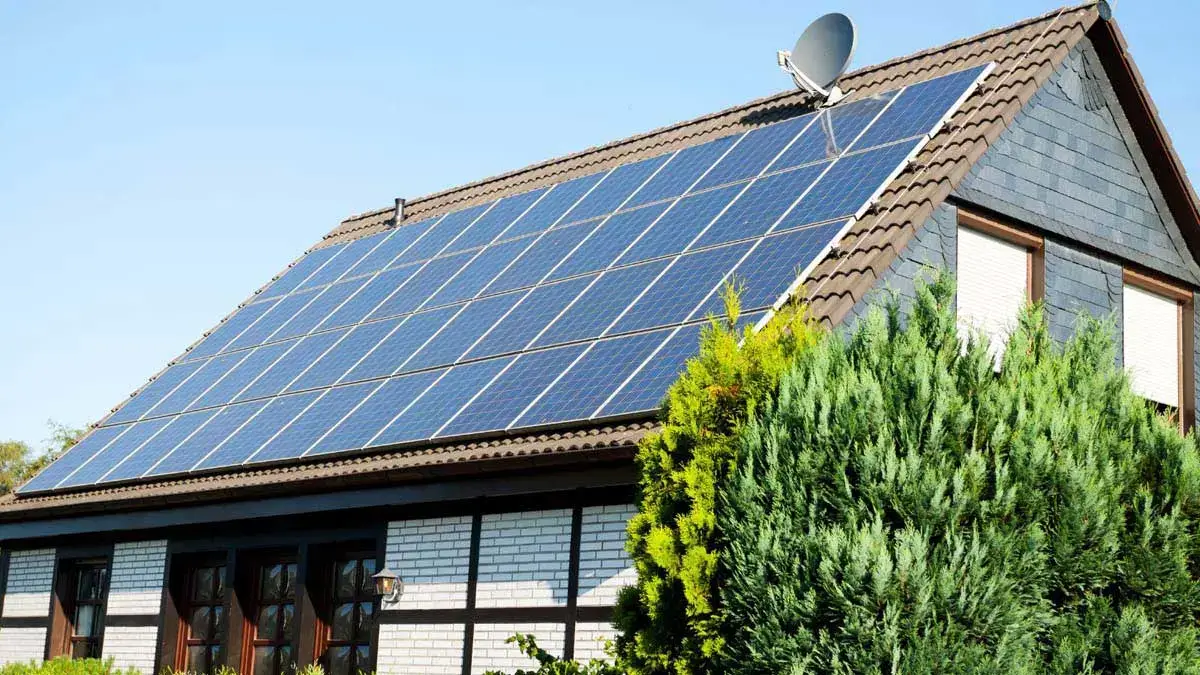
Since 1 July 2025, Victoria’s minimum solar feed-in tariff Pakenham has been fully deregulated. Retailers are now free to set their own FiT rates, and many have dropped them to very low levels — in some cases close to zero.
This shift means:
- Solar exports at midday earn little value due to oversupply
- Some retailers offer time-varying FiTs, but higher evening rates require a battery or clever load-shifting to capture
- Using solar power on-site is now far more profitable than exporting
With the last state-set FiT at just 3.3 cents/kWh, self-consumption was already the better option. Today, the gap is even wider. A solar battery system for Pakenham homes stores extra solar energy for evening use, helping avoid retail rates up to 10x higher than exports.
Energy Cost Forecast for Pakenham
| Item | Current (2024-25) | 2025-26 Outlook |
| Retail electricity prices (VDO) | 26–35 c/kWh depending on peak/off-peak usage | Likely to rise 1–5% due to network and retailer cost increases |
| Wholesale daytime prices | Low due to solar oversupply | Remain low, but evening prices stay high |
| Feed-in tariffs | Flat FiT ≈ 3.3 c/kWh | Fully deregulated, may fall further |
| Self-consumption savings | Strong: avoided retail rate is high | More important than ever to match solar size to usage |
For a typical Pakenham household using 5,000 kWh per year, bills under the VDO currently range from $1,500–$1,900 annually. A modest 1–5% increase could add $50–$150 per year without any changes to usage.
How Rising Energy Costs Impact Pakenham Households & Businesses
Rising electricity prices, combined with lower export earnings, mean solar customers must rethink how they use power. Those who export most of their generation risk losing value as FiT rates drop, while those who self-consume can save at full retail rates.
Business properties with high daytime usage benefit most from commercial solar panels in Pakenham since they use power while it is being generated. Households can add solar battery installation to shift solar energy into the evening peak period and avoid the highest VDO tariffs.
East West Energy’s Solar & Battery Solutions
East West Energy offers fully tailored solar power systems Pakenham to match each property’s usage profile. This includes:
- Custom system sizing to ensure as much energy as possible is consumed on-site
- Battery options from Tesla, Sungrow, and SkyBox to store excess solar power
- Smart inverter programming to prioritize household loads before exporting
- Load-shifting advice to run dishwashers, EV chargers, or pool pumps outside of expensive peak windows
- Rebate assistance through Solar Victoria programs, helping reduce upfront costs
With these strategies, customers can cut grid reliance, protect against rising costs, and keep ROI in the 3–5 year range without a battery — or 5–7 years with a battery.
What Is the Energy Savings Scenario For Pakenham Homes With Solar?
| Scenario | Assumptions | Projected Bill / Savings |
| No solar | 5,000 kWh/year, mostly evening usage | $1,500–$1,900 per year, likely to rise with inflation |
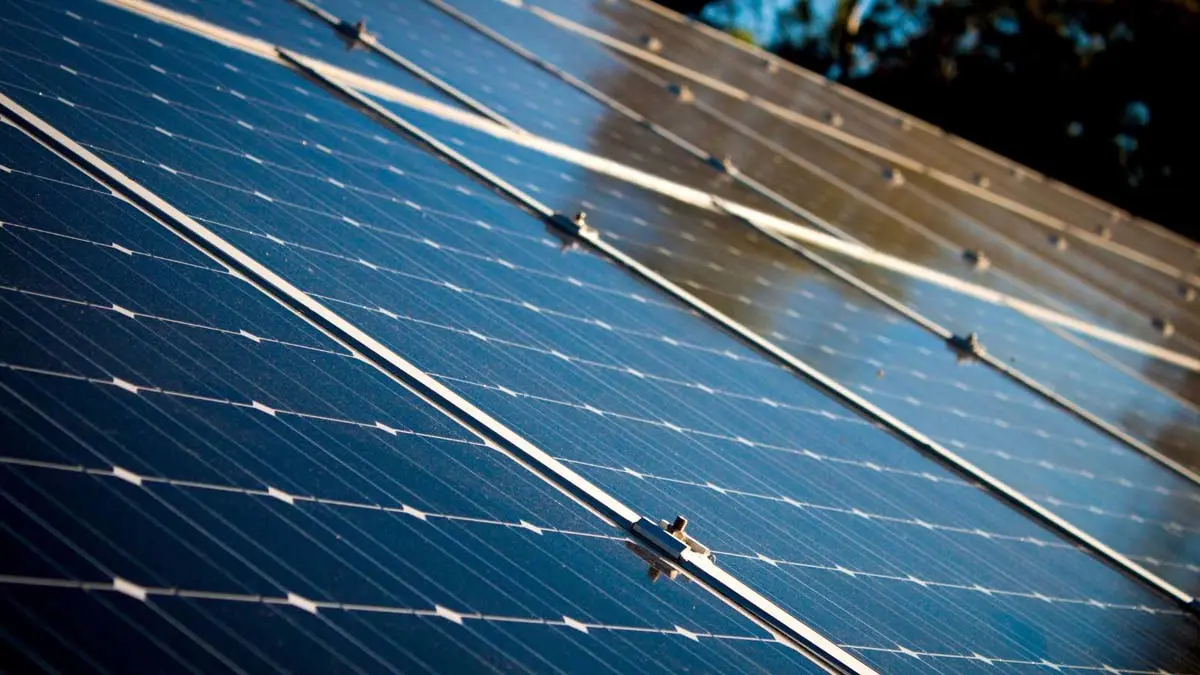
| Solar + battery | System covers ~90–100% of day use, battery handles evening load | Summer bills close to $0; winter savings still strong. Payback in ~4–6 years |
Even without a battery, self-consumption of solar can offset 40–60% of annual usage, saving hundreds per year.
Recommendations For Pakenham Property Owners
- Audit electricity usage: Identify when power is used most and adjust habits to match solar output.
- Right-size your solar system: Avoid oversizing just for export and focus on self-consumption.
- Add Pakenham solar battery installation: Store excess energy for evening use and cut peak-period grid reliance.
- Review 2026 energy plans: Compare retailers now that FiT rates are deregulated and pick the best option for solar households.
- Plan upgrades early: With tariffs already low, self-consumption and storage are the main drivers of savings going into 2026.
Frequently Asked Questions About Pakenham Energy Costs & Solar
How much more could my bill go up if I keep using most of my power at night?
Bills can rise $50–$150 a year for a typical home if most power is used during peak hours. Shifting usage or adding a battery helps avoid those higher rates.
Is it still worth installing solar if feed-in tariffs are almost zero?
Yes. Self-consumption still saves 40–60% on bills, making solar worthwhile even with low export rates.
Can a solar battery really get my summer bills close to $0?
Yes, a right-sized battery can store daytime solar and cover evening use. Many homes pay almost nothing for power in summer.
Will energy price rises affect business electricity plans differently from homes?
Businesses face similar increases, but those using power in the day benefit most from solar. It keeps operating costs predictable as prices rise.
How soon should I install solar before the next price rise hits?
Install before the next July price change to lock in savings. The earlier you install, the sooner your payback period starts.
Beat Rising Rates In Pakenham – Book A Free Assessment
Pakenham electricity prices in 2026 are set to increase again. Deregulated feed-in tariffs have made exported solar worth less than ever, so using more power on-site is now the key to saving money.
Homes and businesses in Pakenham can cut bills by focusing on solar self-consumption with the help of batteries and smart usage habits. East West Energy designs and installs tailored solar panels in Pakenham, handles rebates, and makes it simple to protect against future price hikes.
Now is the time to book a free solar assessment to reduce power bills in Pakenham and take control of your energy costs heading into 2026.